Expert Mechanics for PA Inspections and Emissions
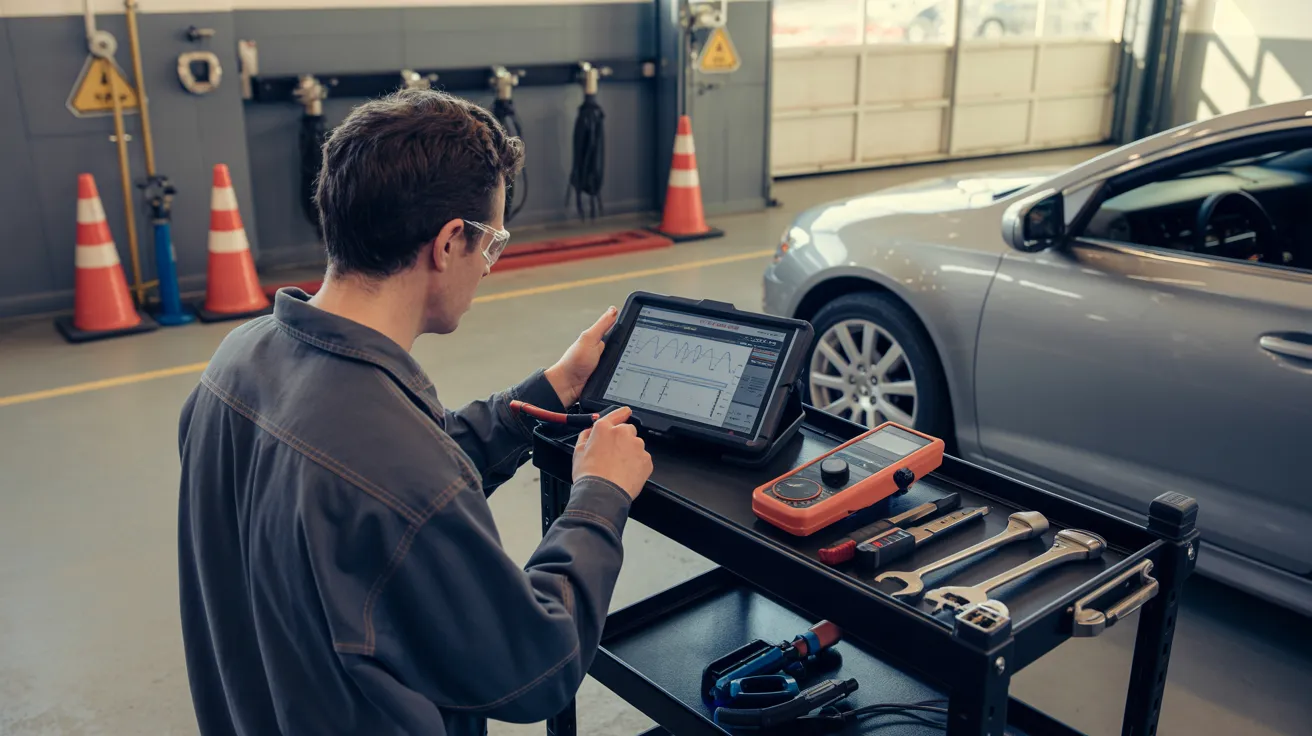
You need an auto shop in Bechtelsville that's ASE-certified, uses OEM service information, and verifies corrections with calibrated scan tools. Expect data-driven diagnostics, torque-spec procedures, and safety-first priorities for brakes, steering, tires, and lighting. Look for clear estimates linked to test results, documented scan data, and measured inspections. They should handle maintenance, engine and transmission work, alignment, HVAC, and batteries with OEM or equivalent parts and written warranties. Supply symptoms, mileage, and service history. The details below reveal exactly what to look for.
Key Takeaways
- ASE-certified mechanics using OEM service information, factory-grade scanners, and documented diagnostics ensure precise, dependable repairs.
- Clear estimates display fault codes, measured values, labor times, part numbers, warranties, and pass/fail criteria before work starts.
- Safety-first prioritization for brakes, steering, tires, and lighting with torque-spec procedures and calibrated torque wrenches.
- Full-service capability: maintenance, suspension, brakes, alignments, HVAC, engine and transmission diagnostics, charging systems, batteries, and tires.
- Comprehensive written parts-and-labor warranties with countrywide support, roadside/towing provisions, and post-repair test validation results.
What Constitutes a Dependable Mechanic in Bechtelsville
Though credentials can't show the complete story, a trustworthy mechanic in Bechtelsville combines ASE certification with proven, data-driven diagnostics. You require someone who works with OEM service information, calibrated scan tools, and torque-spec procedures to isolate root causes, not guess. They'll record test results, describe fault-tree logic, and sequence repairs by safety impact-brakes, steering, tires, and lighting first.
Make sure to verify parts sourcing and warranty terms, plus training on current CAN, ADAS, EV, and hybrid systems. Verify clean work areas, torque wrench calibration, and battery support during programming to stop module damage. Your top sign is solid local reputation-steady reviews, transparent estimates, and clear timelines. Ensure after-hours drop-off, secure storage, and coordinated roadside assistance to ensure your safety when the unexpected takes place.
Primary Services: Spanning Maintenance to Comprehensive Repairs
Typically, a leading Bechtelsville shop supplies full-service care: factory-scheduled maintenance, brake and steering service, tire mounting and force-variation balancing, alignments, fluid changes with spec-correct fluids, battery and charging system tests, and HVAC diagnostics. The shop provides oil changes completed to viscosity spec and service interval, plus brake inspections that measure pad thickness, rotor runout, and hydraulic integrity. Technicians leverage engine diagnostics with dealer-quality scanners, smoke machines, and oscilloscopes to identify faults without guesswork. For drivability, they check fuel trim, ignition waveforms, and sensor rationality. When issues escalate, they handle transmission repairs, from valve body service to clutch pack overhauls, supported by proper fluid pressure tests and relearns. Suspension, axle, and steering repairs restore geometry and stopping distances, keeping you safe and your vehicle within spec.
How to Assess Shop Transparency and Pricing
Prior to authorizing any work, require clear diagnostics and itemized quotes that connect each recommendation to a diagnostic result, manufacturer specification, or TSB. Have the advisor present scan data, measured values, and fault codes, not just vague summaries. Each labor line should specify clock hours, labor guide references, part numbers, shop supplies, taxes, and disposal fees. Cross-reference costs among multiple shops using the same procedure definitions and OEM intervals.
Insist on written repair estimates containing tolerances and performance thresholds. When a shop claims a component is "bad,|"faulty,|"defective,"} demand the threshold value and the observed value. Check road-test mileage and reinspection protocols for safety-critical systems including brakes, steering, and tires. Reject open-ended approvals; establish a diagnostic cap and demand authorization for variances before any additional work commences.
Certifications, Warranty Coverage, and Quality Parts
You've reviewed quotes and inspections; now verify the shop's accreditations, warranty, and product grade that back the work. Confirm the team has on staff ASE certified technicians; their certifications demonstrate current training, accurate torque procedures, and proper scan tool use across current drivetrains, ADAS, and EV systems. Inquire about certification numbers and renewal dates.
Review written warranties. You require clear terms: parts-and-labor coverage, mileage and time limitations, support honored nationwide, and exclusions. Verify diagnostics get more info are covered when a warranted repair fails, and verify roadside or towing provisions tied to warranty claims.
Demand OEM parts or OEM-equivalent components that meet FMVSS and manufacturer standards. For safety systems-brakes, steering, airbags, tires-require OEM parts. Demand documentation on part source, calibration specifications, and post-repair validation test results.
Preparing for Your Next Service Visit
Ensure a smooth visit by gathering the essentials: document the issue with symptoms, situations, and frequencies; document warning lights, recent collisions, fluid leaks, noises, smells, and drivability changes. Bring your registration, mileage, tire size, maintenance history, and key fob. Photograph dash messages and leaks. List previous repairs and parts brands to avoid duplicate diagnostics. Specify when issues appear-cold start, highway load, hard braking, or full lock-to accelerate root-cause analysis.
Inquire about a seasonal inspection list: battery conductance assessment, coolant freeze point, belt wear, hose integrity, brake pad thickness, tire tread depth and pressure, and wiper condition. Ask for alignment and suspension assessments to maintain ride comfort and tire life. Properly install child seats and remove cargo so techs can get to anchors and jack points safely. Sign off on estimates in a timely manner.
Common Questions
Will Local Shops Provide Loaner Automobiles or Shuttle Service While Completing Repairs?
Yes, many local shops provide transportation options. You'll frequently have access to courtesy vehicles for prolonged, safety-related repairs, or transportation service for quick diagnostic or maintenance sessions. Validate availability, insurance obligations, mileage allowances, and scheduling limitations. Inquire how parts lead times and repair duration affect eligibility. Confirm child-seat compatibility and ADA provisions. Document pre-existing vehicle damage. These procedures guarantee consistency, limit downtime, and preserve safety compliance while technicians perform exact, trustworthy repairs.
What Are Standard Turnaround Times for Common Repairs in Bechtelsville?
You'll generally find same day repairs for brake pads, oil changes, batteries, and sensor diagnostics—2 to 6 hours depending on available parts and required safety checks. Alignments and tire replacements take approximately half a day. Check-engine drivability issues take one to two days for proper scan, verification, and road-test. Suspension or cooling system repairs average a full day. Engine or transmission repairs require two to five days. Weekend turnaround is available but limited; schedule early and authorize estimates promptly to keep downtime minimal.
Is After-Hours Drop-Off and Pickup Available?
Yes-after-hours services are offered so you'll never be stuck at 5:01 p.m. You can utilize a secure evening keydrop with security-sealed envelopes and VIN labeling, ensuring chain-of-custody clarity. For pickup, you'll receive remote video check-in, digital estimates, and contactless payment, then a time-stamped locker code for safe retrieval. Technicians log fault codes, fluid levels, and torque specs, so your vehicle's handoff remains trackable, compliant, and obsessively documented from drop to drive.
How Are Manufacturer Recalls and Technical Service Bulletins at the Local Level?
Service centers process recalls and TSBs by checking your VIN against factory bulletins, then performing recall coordination with the nearest franchised dealer if warranty coverage applies. You'll obtain a diagnostic confirmation, parts availability check, and a scheduled slot to reduce downtime. For TSBs, they implement the OE procedure, apply software updates, and document torque specs and calibrations. You'll receive safety-related documentation, proof of completion, and advisories for any related preventative maintenance.
Can I Supply My Own Parts to Reduce Costs?
Yes-though it may preserve a pile of cash while creating enormous liability exposure. You can supply parts, but shops may decline installation due to DIY liability, fitment uncertainty, and torque-spec validation. Expect limited or no labor warranty, and your aftermarket warranties might reject claims if non-approved parts fail. When permitted, supply factory-grade parts, gaskets, and fasteners; record lot codes. Request inspection before install, calibration after, and verify torque, fluid spec, and programming requirements.
Final copyright
As you traverse Bechtelsville's roads, consider your car as a patient and you as its advocate. You don't guess-you assess, confirm, and document. You choose a shop that double-checks measurements and torques precisely, logs parts provenance, and stands behind warranties. You compare estimates, validate OE-equivalent specs, and ask for failure-mode explanations. Just as a pilot performs a preflight inspection, you prepare records, describe symptoms, and set safety as the mission. Do that, and reliability won't be a matter of luck; it'll be engineered.